

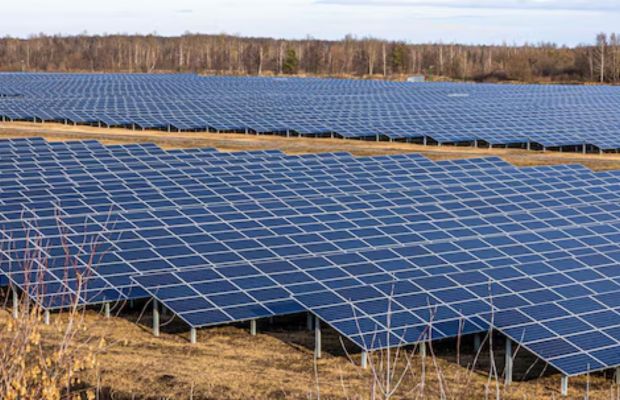
Bangladesh has returned to solar power, with its largest tender after the new, elected government took charge in February this year. The Bangladesh Power Development Board (BPDB), the agency designated for government-backed tenders, has launched a tender for 495MW of new solar PV capacity, to be deployed across ten projects in the riverine country. There is no storage component to the tender.
With a minimum deposit of $5000 per MW, successful bidders will need to build their projects near transmission substations, eight of which are currently in operation, with two near Cox’s Bazar in southern Bangladesh and Tangail in central Bangladesh currently under construction.
Bangladesh 77,5 MW solar tender fails to draw bidders
BPDB will be hoping for a positive response that is viable for the latest tender, after a previous tender for 77,5 MW of solar capacity failed to draw any bidders last month. A larger 2.6 GW tender issued under the unelected regime last year had also failed. Our understanding is that previous projects won and established by Indian EPCs also struggled to get paid on time, a factor that could influence the response from India-based firms in bidding for the tender.
At just 4.62% of generation in August 2025, the government has a target for renewable energy to reach 40% by 2050. The biggest news on the energy front for the country has been the start of fuel loading for the Rooppur nuclear power plant, rated for a capacity of 2400 MW when fully operational. Built with massive financial support from Russia through it’s state nuclear operator Rosatom, the nuclear power’s eventual pricing is not public yet.
Bangladesh has been a net energy importer in 2025, with its most significant energy import deals from India’s Adani group under a cloud due to payment issues linked to disputed amounts as well as claims of high-priced power. BPDB owes independent power producers (IPPs) US$2.2 billion as of November 2025. That makes generating local power key to ensuring better energy access in the country.
